中国符箓文化介绍及相关术语区别
中国符箓文化源于道教,始于东汉,承载着千年民俗智慧与道家思想,是传统文化中极具特色的分支,常用于祈福安身、驱邪避祸,核心是“以符载意、以术传善”,历经传承已去其糟粕、留其精华。
三者核心区别清晰:符箓是统称,指符与箓的结合,是道教符箓派的基本功,涵盖各类符纸与法箓凭证;符咒是符与咒语的合称,符为有形图文,咒为无形口诀,二者搭配施用才是完整法术;符篆多为误称,狭义指用篆书绘制的符,广义可指代各类符纸,并非独立品类。
符箓多以朱砂绘于黄纸之上,依托古人对自然神力的敬畏发展而来,如今已成为传统文化的载体,褪去迷信色彩,留存向善内核,延续着独特的文化底蕴。
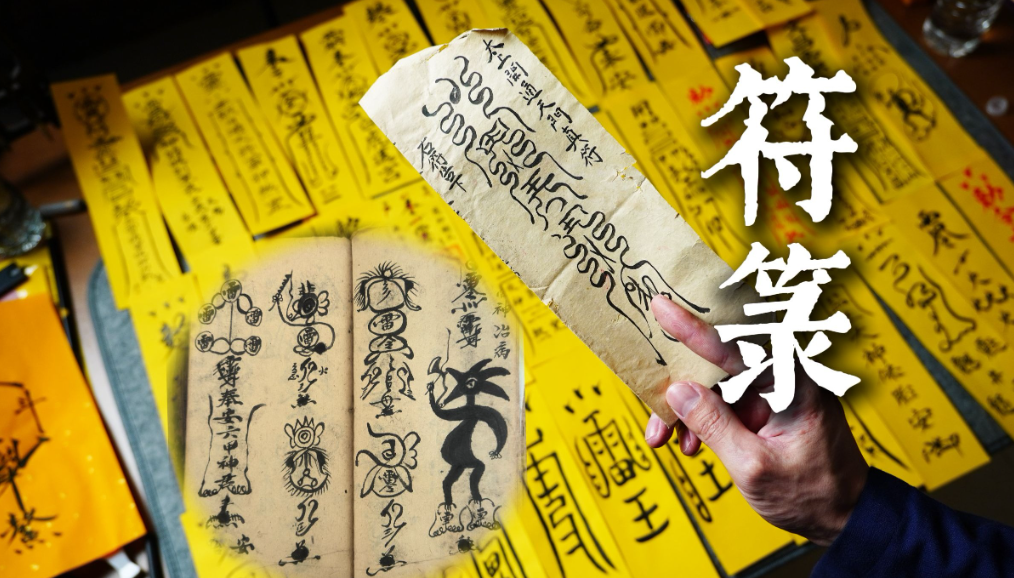
Chinese Fu Lu culture originated from Taoism in the Eastern Han Dynasty, carrying thousands of years of folk wisdom and Taoist thought. As a distinctive branch of traditional culture, it is often used for praying for blessings, peace, expelling evil spirits and avoiding disasters. Its core is "expressing intentions through talismans and passing on kindness through techniques", and it has discarded the dross and retained the essence after inheritance.
The core differences among the three are clear: Fu Lu is a general term, referring to the combination of Fu and Lu, which is the basic skill of the Taoist Fu Lu School, covering various talismans and legal certificates1; Fu Zhou is the combination of Fu and mantras, where Fu is a tangible picture and text, and Zhou is an intangible formula, and the two are used together to form a complete spell; Fu Zhuan is mostly a misnomer, referring narrowly to talismans drawn in seal script, and broadly to various talismans, not an independent category.
Most Fu Lu are painted on yellow paper with cinnabar, developed based on the ancient people's awe of natural divine power. Today, it has become a carrier of traditional culture, fading away superstitious colors, retaining the core of kindness, and continuing its unique cultural heritage.
非常感谢浦榆师兄,去掉了我的心魔,我又可以开开心心的面对生活了!