道教全真和正一的区别The Two Major Schools of Taoism Are Worlds Apart!
道教两大派别天差地别!南正一北全真,你看懂了吗?
道教自古有正一、全真两大传承,虽同属道门,修行方式却大不相同。
正一派历史最为悠久,修行方式较为入世。这一派的道士可以居家生活,娶妻生子,日常饮食与常人无异。但在举行斋醮科仪时,仍需持戒清净。正一派注重符箓法术,擅长通过斋醮仪式济世度人。
全真派兴起较晚,强调出家清修。这一派的道士必须住在道观,束发修行,严守素食戒律,不可婚娶。日常以诵经打坐为主,注重内丹修炼,追求性命双修的境界。全真祖师王重阳创立此派,就是希望修行者能远离尘缘,专心修道。
两派各有特色:
正一派讲究"和光同尘",全真派崇尚"清静无为"
正一派侧重"济世利人",全真派注重"修真养性"
道法自然,修行之路本无高下。了解这些差异,或许能帮助有缘人找到适合自己的修行方向。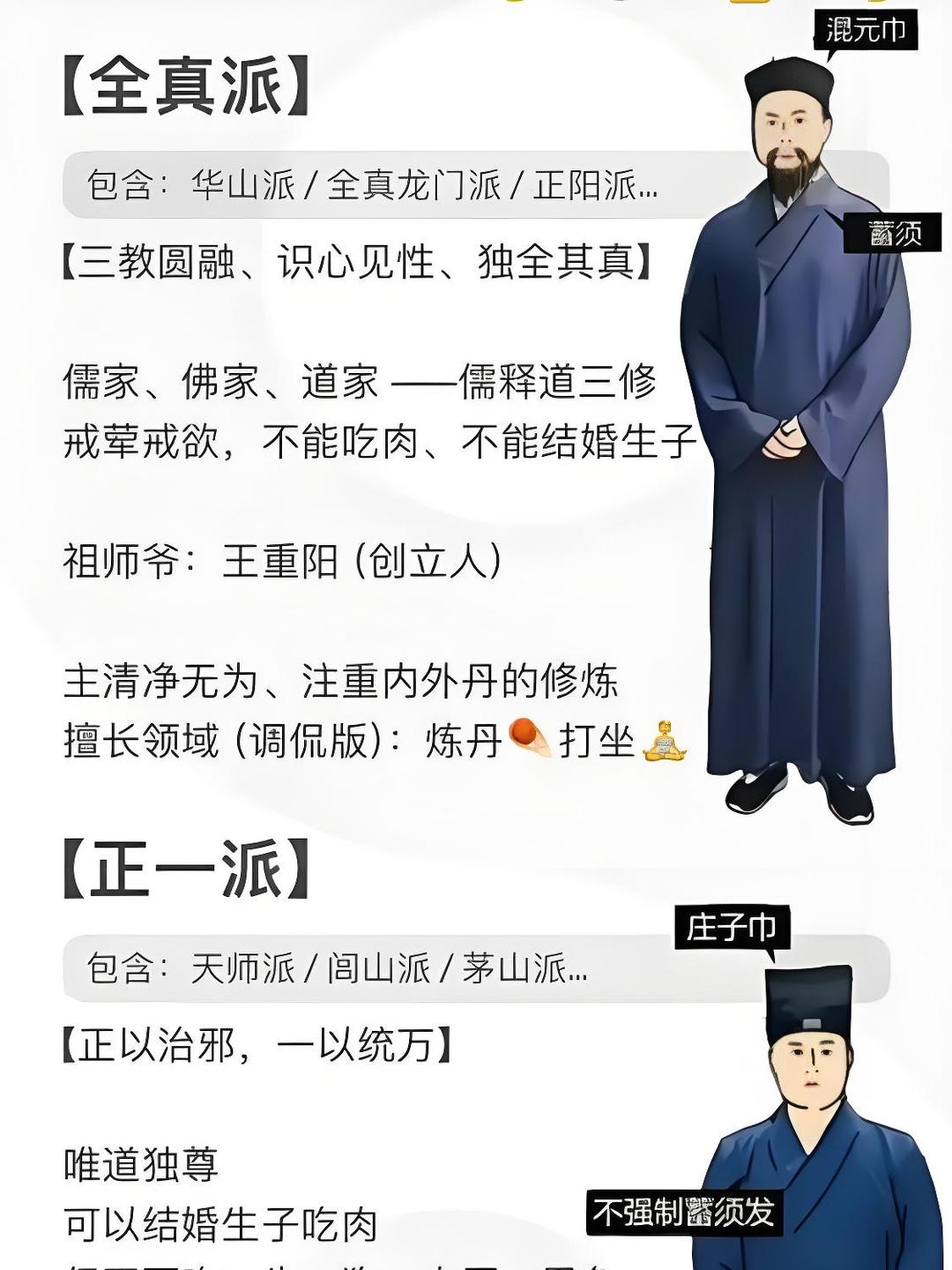
The Two Major Schools of Taoism Are Worlds Apart! Zhengyi in the South and Quanzhen in the North—Do You Understand?
Since ancient times, Taoism has had two major lineages: Zhengyi and Quanzhen. Although both belong to the Taoist tradition, their cultivation methods are vastly different.
The Zhengyi School has the longest history and adopts a more worldly approach to cultivation. Taoists of this school can live at home, marry, and have children, with daily diets no different from ordinary people. However, during religious rituals and fast ceremonies, they must observe precepts and maintain purity. The Zhengyi School focuses on talismans and magical arts, excelling at helping and saving people through ritual ceremonies.
The Quanzhen School emerged later and emphasizes monastic seclusion and pure cultivation. Taoists of this school must reside in temples, tie their hair for cultivation, strictly observe vegetarian precepts, and are forbidden from marriage. Their daily practice centers on chanting scriptures and meditating, focusing on internal alchemy cultivation and pursuing the realm of unifying life essence and spiritual nature. Founded by Patriarch Wang Chongyang, this school was established to help practitioners stay away from worldly ties and focus wholeheartedly on the Tao.
Each school has its unique characteristics:
- Zhengyi advocates "blending light and merging with the dust" (harmonizing with the world), while Quanzhen upholds "purity and non-action."
- Zhengyi emphasizes "benefiting the world and helping others," while Quanzhen prioritizes "cultivating truth and nourishing nature."
The Tao follows nature, and no path of cultivation is inherently superior. Understanding these differences may help those destined to find the cultivation path that suits them.