深耕传统文化,研习国学经典,传承正统符箓与符篆技艺,专注浦榆符箓文化推广。由浦榆先生亲授,深挖千年民间知识与民俗习惯,还原正统符箓文脉。以严谨治学态度,解析符篆章法与民俗内涵,兼顾文化传承与实用价值。聚焦传统符箓非遗技艺,普及民俗文化知识,让浦榆符箓走进大众视野,守护中华文脉根脉,助力传统民俗文化创新传播。

Rooted in traditional Chinese culture and Chinese classics, we inherit authentic skills of Taoist talismans and talismanic scripts, focusing on the promotion of Puyu Talismans. Taught by Mr. Puyu, we explore millennia-old folk knowledge and customs to restore the authentic cultural context of Taoist talismans. With a rigorous academic approach, we interpret the structure of talismanic scripts and folk connotations, balancing cultural inheritance and practical value. We focus on the intangible heritage of traditional Taoist talismans, popularize folk culture, bring Puyu Talismans to the public, safeguard the roots of Chinese civilization, and boost the innovative communication of traditional folk culture.

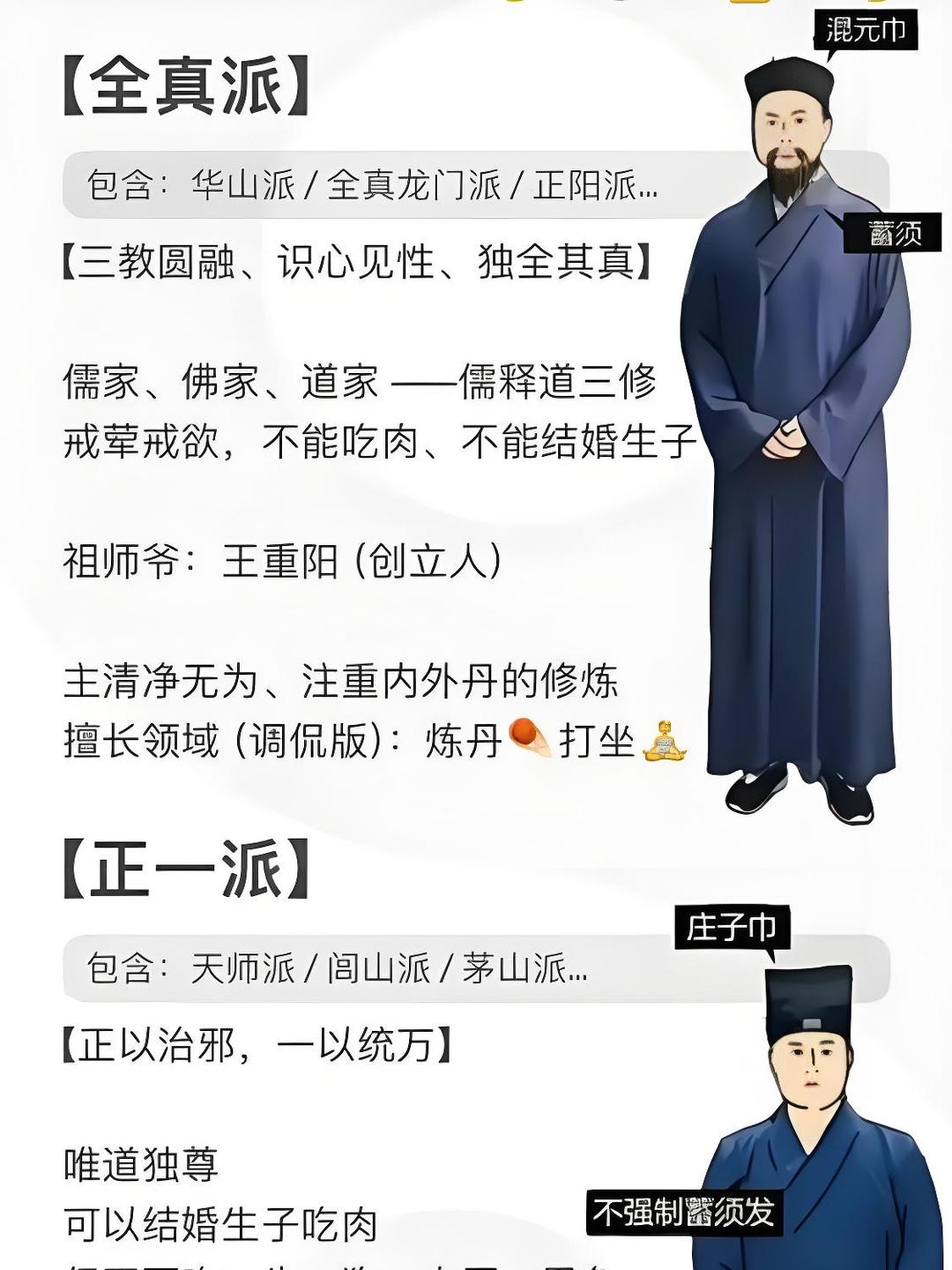
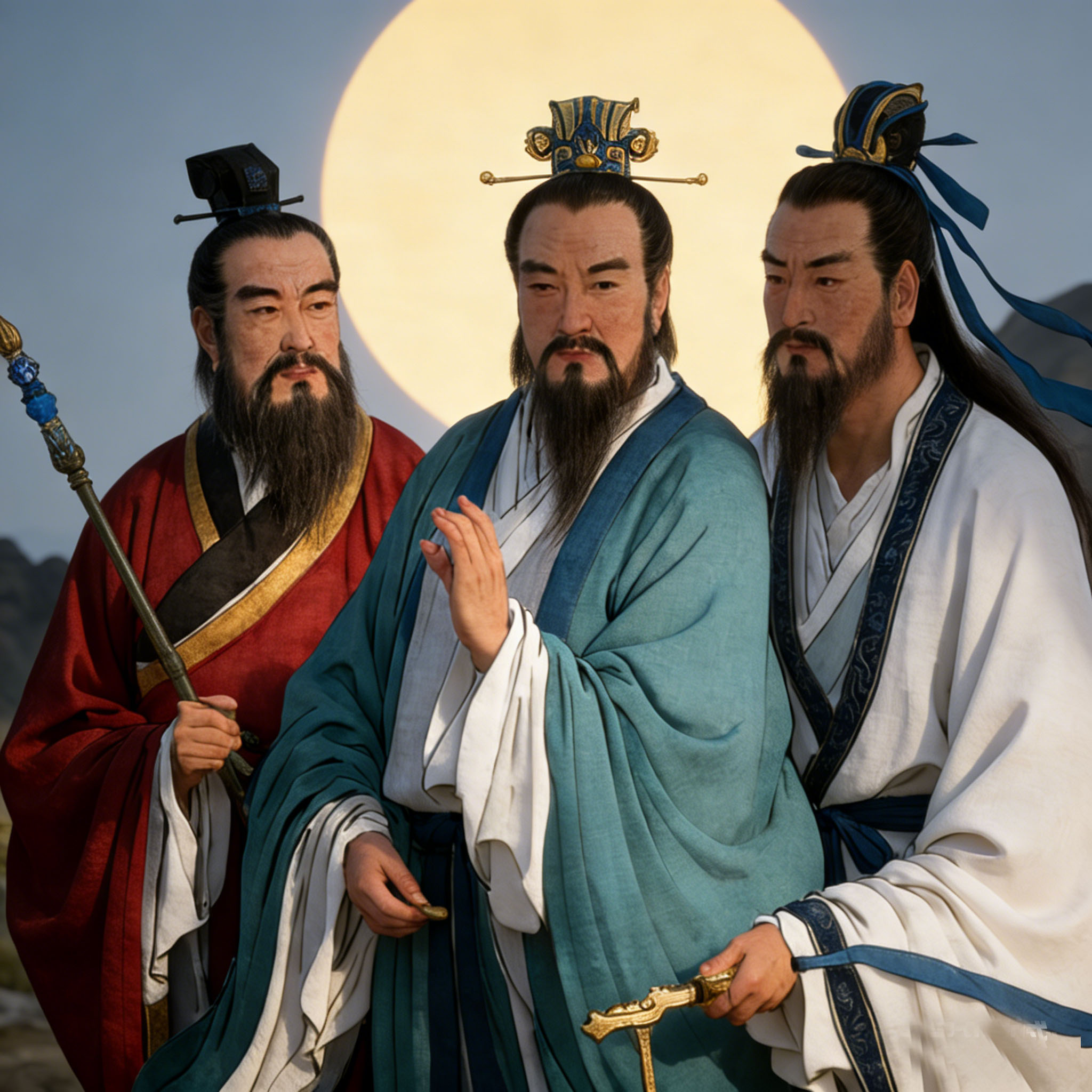
茅山的开山祖师是西汉时期的‌三茅真君‌,即茅盈、茅固、茅衷三兄弟。
他们被尊为道教茅山派的创教祖师,主要事迹和贡献如下:
三茅真君的生平与修道‌ ‌茅盈‌(大茅君)是三人中的核心人物,早年于恒山修道,后得西王母传授道法,四十九岁归乡。汉景帝时期,他携两位弟弟茅固、茅衷隐居句曲山(今江苏茅山),采药炼丹、济世救人,使该山得名“茅山”。 ‌茅固‌(中茅君)和‌茅衷‌(三茅君)原为汉朝官员,受兄长感召弃官修道,最终一同得道成仙。三人被后世合称为“三茅真君”,宋徽宗时分别封为“司命真君”“定禄真君”和“保命真君”;茅山道派的形成与发展‌ 三茅真君在茅山的活动奠定了道教上清派(茅山宗)的基础。南北朝时期,陶弘景正式创立茅山宗,奉三茅真君为祖师,整合上清经法,使茅山成为道教“上清宗坛”。 茅山派以符箓、炼丹、医术著称,强调个人修炼与济世结合,隋唐时期发展为道教主流派别之一;后世影响‌ 茅山因三茅真君被列为道教“第一福地,第八洞天”,其信仰至今在江苏茅山地区盛行,香火绵延;三兄弟的事迹在《神仙传》《茅山志》等典籍中均有记载,民间传说中他们常显灵治病驱邪,被奉为护佑百姓的神明。 补充说明 茅山派历史上还有重要人物如东晋葛洪(炼丹家)、南朝陶弘景(实际组织者),但开山立派的始祖仍追溯至三茅真君。他们的修道实践和神话传说共同构成了茅山道教的文化根基。
sm.jpg

The founder of Mount Mao is the Three Mao True Monarchs from the Western Han Dynasty, namely the three brothers Mao Ying, Mao Gu, and Mao Zhong.
They are revered as the founding patriarchs of the Maoshan School of Taoism, and their main deeds and contributions are as follows: 1. The Life and Cultivation of the Three Maoshan Immortals Mao Ying (Great Mao Jun) was the core figure among the three. In his early years, he practiced cultivation on Mount Heng, and later received teachings in Taoism from the Queen Mother of the West. At the age of forty-nine, he returned to his hometown. During the reign of Emperor Jing of Han, he, along with his two younger brothers Mao Gu and Mao Zhong, lived in seclusion on Juqu Mountain (now Maoshan Mountain in Jiangsu Province), gathering herbs, refining pills, and helping the world, thus giving the mountain its name "Mao Mountain". Mao Gu (Middle Mao Jun) and Mao Zhong (Third Mao Jun) were originally officials in the Han Dynasty. Inspired by their elder brother, they abandoned their official positions to pursue cultivation and ultimately attained immortality together. The three were collectively referred to as the "Three Maoshan Immortals" by later generations, and during the reign of Emperor Huizong of Song, they were respectively enshrined as the "Siming Immortal", "Dinglu Immortal", and "Baoming Immortal". 2. The Formation and Development of the Maoshan Taoist School The activities of the True Monarch Sanmao on Maoshan Mountain laid the foundation for the Shangqing School of Taoism (Mao Mountain Sect). During the Northern and Southern Dynasties, Tao Hongjing officially established the Maoshan Sect, enshrining the True Monarch Sanmao as its founder, integrating the Shangqing scriptures and practices, and making Maoshan Mountain the "Altar of the Shangqing Sect." The Maoshan Sect is renowned for its talismans, alchemy, and medicine, emphasizing the integration of personal cultivation and benefiting the world. During the Sui and Tang dynasties, it developed into one of the mainstream sects of Taoism. 3. Subsequent Influence: Maoshan Mountain is listed as the "First Blessed Land and Eighth Cave Heaven" in Taoism due to the Sanmao Zhenjun (True Ancestor of the Three Maos). Its belief still prevails in the Maoshan area of Jiangsu Province, with continuous worship and incense burning.
The deeds of the three brothers are recorded in classics such as "The Legend of Immortals" and "The Records of Maoshan Mountain". In folklore, they often appear to heal the sick and expel evil spirits, and are revered as deities protecting the people. Additionally, there are important figures in the history of the Maoshan School, such as Ge Hong (alchemist) of the Eastern Jin Dynasty and Tao Hongjing (actual organizer) of the Southern Dynasties, but the founder who established the school still traces back to the Three Mao True Sovereigns. Their cultivation practices and mythological legends together constitute the cultural foundation of Maoshan Taoism.

浦榆,人称浦榆师兄,是茅山符箓一脉,其符箓技艺自祖上延续,以世代口传心授的方式,承载着中华传统文化中符箓术的千年底蕴与道家智慧。茅山作为道教发祥地之一,符箓文化源远流长,浦榆自幼承袭家学,深耕符箓之道数十载,始终秉持“去其糟粕、留其精华”的传承理念。

他摒弃传统符箓文化中晦涩迷信的冗余成分,悉心提炼其中蕴含的民俗智慧与向善内核,让这门古老技艺摆脱刻板印象,在当代得以传承与发展。作为业内极具名望的符箓奇人,浦榆毫无名家的架子,心怀“渡众生”的赤诚初心,毕生致力于用符箓之术帮扶世人。

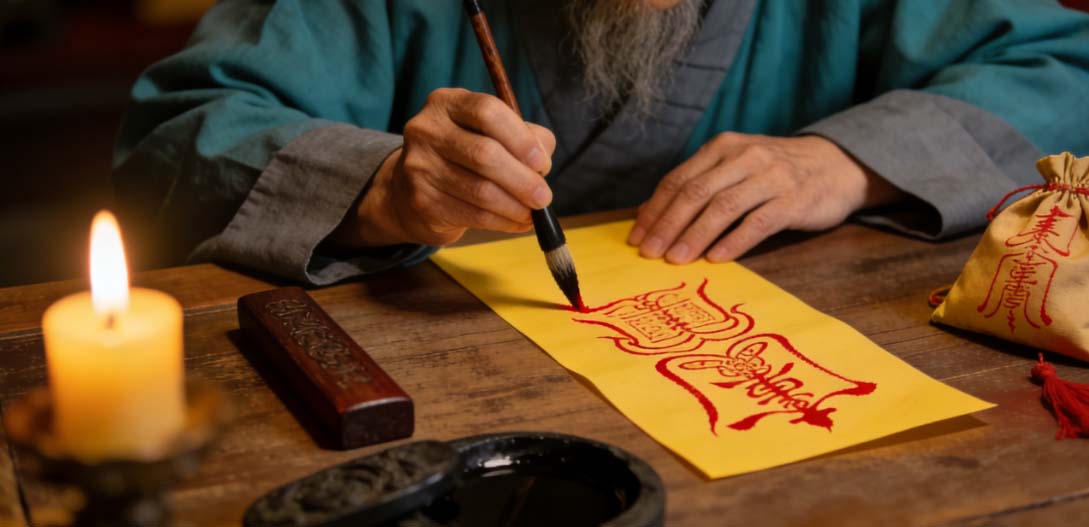
一张简单的黄纸,经他亲手绘制、诚心加持,便承载着祈福安身、驱邪避祸的期许。多年来,这一张张朴素的黄纸符,直接或间接帮助过的人已逾万数,受助者遍布四方,对他感念至深,其事迹也在民间广为传颂。浦榆以匠心守传承,以善心渡世人,用一生践行着传统文化传承者的责任,成为当代符箓文化传承中极具代表性的人物。

English Introduction

Pu Yu, known as Senior Brother Talisman, is an authentic descendant of the Maoshan Fu Talisman School. His talisman skills have been passed down from his ancestors, carrying the thousand-year heritage and Taoist wisdom of talisman art in traditional Chinese culture through oral and heart-to-heart instruction from generation to generation. As one of the birthplaces of Taoism, Maoshan has a long history of talisman culture. Pu Yu inherited the family knowledge since childhood and has devoted himself to the way of talismans for decades, always upholding the inheritance concept of "discarding the dross and retaining the essence".

He abandoned the obscure and superstitious redundant elements in traditional talisman culture, carefully extracted the folk wisdom and good core contained in it, allowing this ancient skill to get rid of stereotypes and be inherited and developed in the contemporary era. As a renowned talisman master with great prestige in the industry, Pu Yu has no airs of a famous expert. With a sincere original intention of "helping all living beings", he has devoted his whole life to helping the world with talisman art.

A simple piece of yellow paper, after being hand-painted and sincerely blessed by him, carries the expectation of praying for blessings, peace, expelling evil spirits and avoiding disasters. Over the years, these simple yellow paper talismans have directly or indirectly helped more than ten thousand people. The recipients are scattered all over the world, deeply grateful to him, and his deeds have been widely praised among the people. Pu Yu upholds the inheritance with ingenuity, helps all living beings with kindness, and fulfills the responsibility of a traditional culture inheritor with his whole life, becoming a very representative figure in the inheritance of contemporary talisman culture.

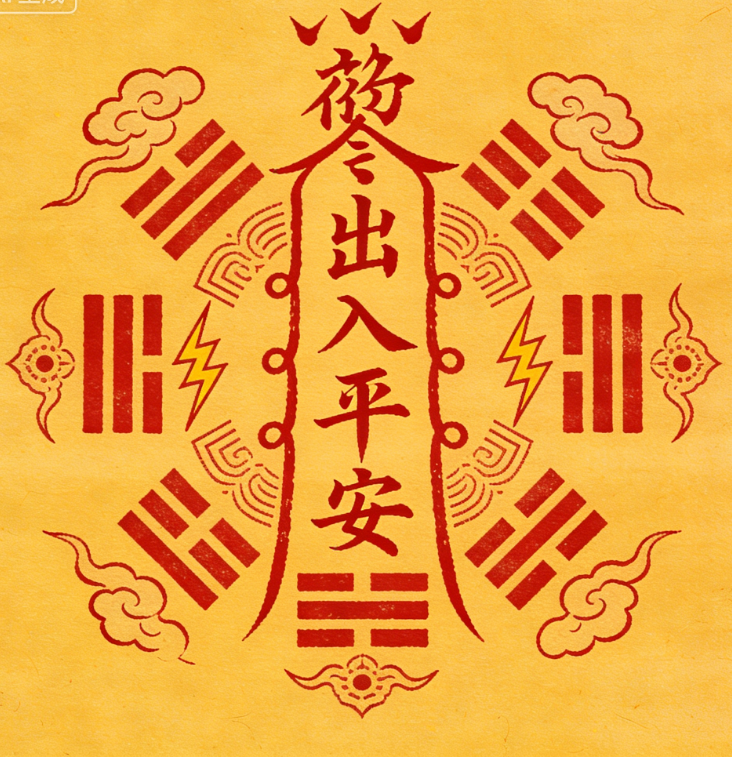
中国符箓文化源于道教,始于东汉,承载着千年民俗智慧与道家思想,是传统文化中极具特色的分支,常用于祈福安身、驱邪避祸,核心是“以符载意、以术传善”,历经传承已去其糟粕、留其精华。

三者核心区别清晰:符箓是统称,指符与箓的结合,是道教符箓派的基本功,涵盖各类符纸与法箓凭证;符咒是符与咒语的合称,符为有形图文,咒为无形口诀,二者搭配施用才是完整法术;符篆多为误称,狭义指用篆书绘制的符,广义可指代各类符纸,并非独立品类。

符箓多以朱砂绘于黄纸之上,依托古人对自然神力的敬畏发展而来,如今已成为传统文化的载体,褪去迷信色彩,留存向善内核,延续着独特的文化底蕴。

English Introduction

Chinese Fu Lu culture originated from Taoism in the Eastern Han Dynasty, carrying thousands of years of folk wisdom and Taoist thought. As a distinctive branch of traditional culture, it is often used for praying for blessings, peace, expelling evil spirits and avoiding disasters. Its core is "expressing intentions through talismans and passing on kindness through techniques", and it has discarded the dross and retained the essence after inheritance.

The core differences among the three are clear: Fu Lu is a general term, referring to the combination of Fu and Lu, which is the basic skill of the Taoist Fu Lu School, covering various talismans and legal certificates1; Fu Zhou is the combination of Fu and mantras, where Fu is a tangible picture and text, and Zhou is an intangible formula, and the two are used together to form a complete spell; Fu Zhuan is mostly a misnomer, referring narrowly to talismans drawn in seal script, and broadly to various talismans, not an independent category.

Most Fu Lu are painted on yellow paper with cinnabar, developed based on the ancient people's awe of natural divine power. Today, it has become a carrier of traditional culture, fading away superstitious colors, retaining the core of kindness, and continuing its unique cultural heritage.