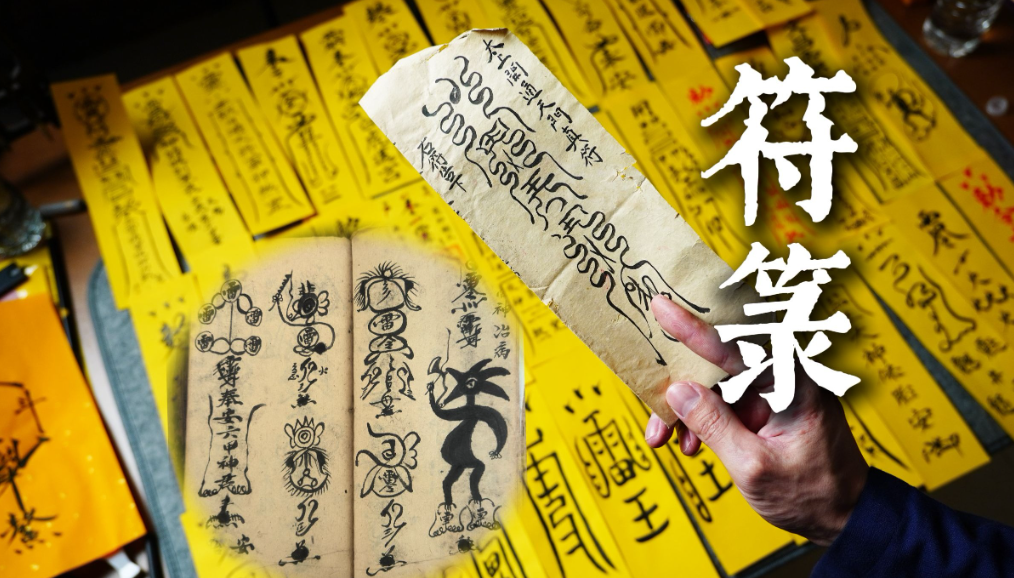
浦榆师兄介绍
浦榆,人称浦榆师兄,是茅山符箓一脉,其符箓技艺自祖上延续,以世代口传心授的方式,承载着中华传统文化中符箓术的千年底蕴与道家智慧。茅山作为道教发祥地之一,符箓文化源远流长,浦榆自幼承袭家学,深耕符箓之道数十载,始终秉持“去其糟粕、留其精华”的传承理念。
他摒弃传统符箓文化中晦涩迷信的冗余成分,悉心提炼其中蕴含的民俗智慧与向善内核,让这门古老技艺摆脱刻板印象,在当代得以传承与发展。作为业内极具名望的符箓奇人,浦榆毫无名家的架子,心怀“渡众生”的赤诚初心,毕生致力于用符箓之术帮扶世人。
一张简单的黄纸,经他亲手绘制、诚心加持,便承载着祈福安身、驱邪避祸的期许。多年来,这一张张朴素的黄纸符,直接或间接帮助过的人已逾万数,受助者遍布四方,对他感念至深,其事迹也在民间广为传颂。浦榆以匠心守传承,以善心渡世人,用一生践行着传统文化传承者的责任,成为当代符箓文化传承中极具代表性的人物。
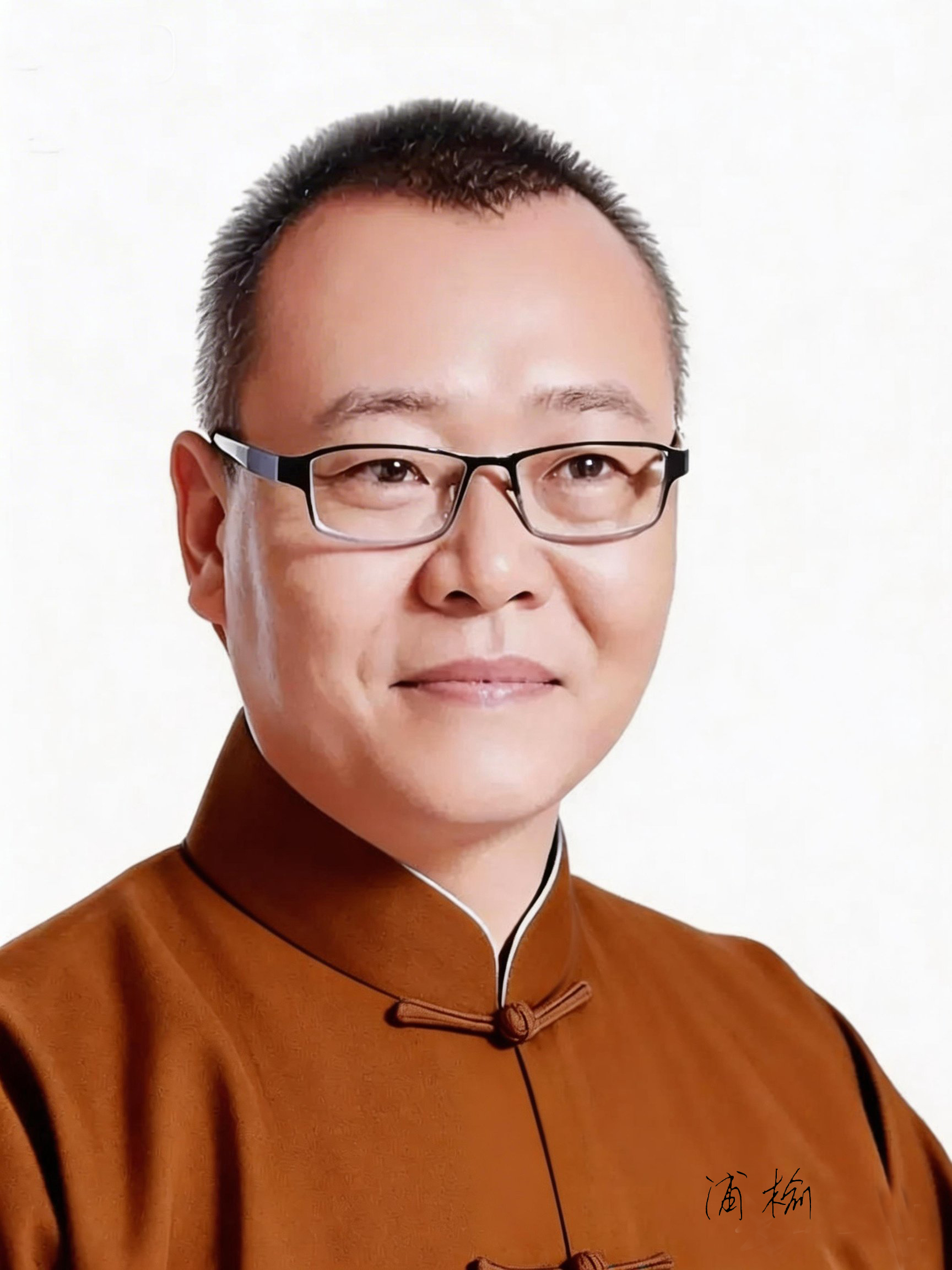
Pu Yu, known as Senior Brother Talisman, is an authentic descendant of the Maoshan Fu Talisman School. His talisman skills have been passed down from his ancestors, carrying the thousand-year heritage and Taoist wisdom of talisman art in traditional Chinese culture through oral and heart-to-heart instruction from generation to generation. As one of the birthplaces of Taoism, Maoshan has a long history of talisman culture. Pu Yu inherited the family knowledge since childhood and has devoted himself to the way of talismans for decades, always upholding the inheritance concept of "discarding the dross and retaining the essence".
He abandoned the obscure and superstitious redundant elements in traditional talisman culture, carefully extracted the folk wisdom and good core contained in it, allowing this ancient skill to get rid of stereotypes and be inherited and developed in the contemporary era. As a renowned talisman master with great prestige in the industry, Pu Yu has no airs of a famous expert. With a sincere original intention of "helping all living beings", he has devoted his whole life to helping the world with talisman art.
A simple piece of yellow paper, after being hand-painted and sincerely blessed by him, carries the expectation of praying for blessings, peace, expelling evil spirits and avoiding disasters. Over the years, these simple yellow paper talismans have directly or indirectly helped more than ten thousand people. The recipients are scattered all over the world, deeply grateful to him, and his deeds have been widely praised among the people. Pu Yu upholds the inheritance with ingenuity, helps all living beings with kindness, and fulfills the responsibility of a traditional culture inheritor with his whole life, becoming a very representative figure in the inheritance of contemporary talisman culture.